Yuri Kinoshita
The University of Tokyo
Poster TitleTheory of Dataset Distillation for Two-Layer Neural Networks
July 27-28, 2026
Singapore
Computational neuroscience has advanced rapidly in recent years owing to the availability of the sheer amount of neural recordings and connectomic data. It is the perfect time for developing a collaborative forum that promotes research in computational neuroscience in the Asia-Pacific area. After a thorough discussion among several researchers from different Asian countries, we (the organization committee) decided to host the Asia-Pacific Computational and Cognitive Neuroscience (AP-CCN) conference. The mission of the AP-CCN Conference is to promote computational neuroscience, and to facilitate interactions and collaborations between theoreticians and experimentalists.
AP-CCN 2026 brings together leading researchers, invited speakers, and emerging scholars to share recent advances in computational and cognitive neuroscience.
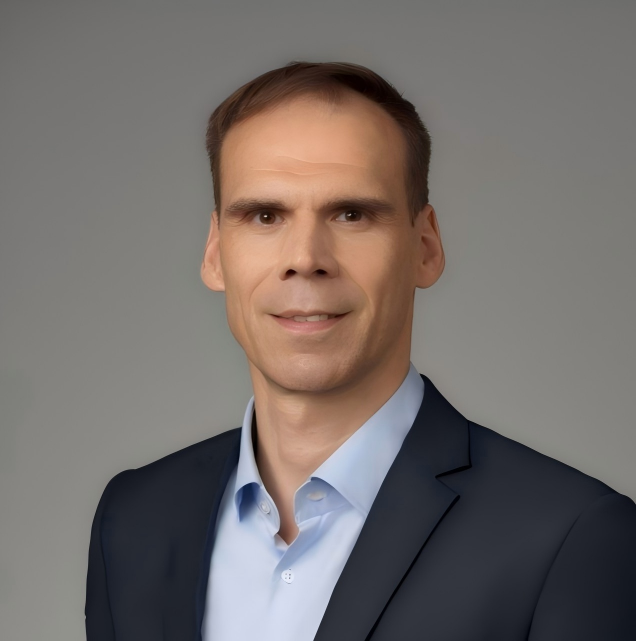
Professor
The University of Hong Kong,Hong Kong SAR
Topic: Innovative Strategies to Decode and Regulate Affective Experiences in Humans

Senior Principal Investigator
A*STAR,
Singapore
Topic: The role of Gut-brain Communication in Feeding Regulation

Professor
Shanghai Jiao Tong University, China
Topic: Affective Brain-Computer Interfaces: Characteristics, Algorithms and Application

Professor
New York University,
USA
Topic: Functional Specialization Versus Distributed Cognition in a Large-scale Neocortex
.jpg)
Tenure-track Researcher
National Institute of Information and Communications Technology, Japan
Topic: Modeling Spatial and Conceptual Representation Learning in Hippocampus

Assistant Professor
Korea Advanced Institute of Science & Technology, Korea
Topic: Biological Neural Network-inspired Memristive Nanomaterial Networks for Neuromorphic Edge Computation

Associate Professor
Future University Hakodate, Japan
Topic: Spontaneous Neural Activity: Its Functional Roles in Response and Learning

Professor
Shanghai Jiao Tong University, China
Topic: From Biological Dendritic Computation to Artificial Neural Networks
.jpg)
Associate Professor
National University of Singapore, Singapore
Topic: Inferring Latent Behavioral Strategies and Neural Connectivity with RNN Models
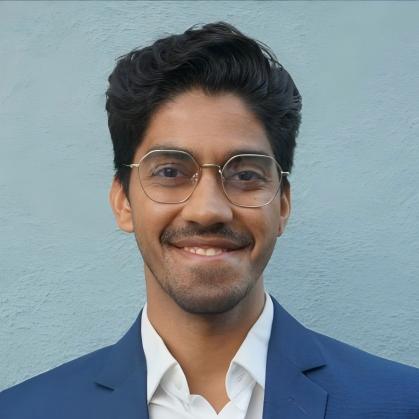
Assistant Professor
Nanyang Technological University, Singapore
Topic: Discovering Neural Manifolds of Emotion & Social Intelligence Using AI.

Research Assistant Professor
National University of Singapore, Singapore
Topic: Neuromodulatory Regulation of Neural Context for Motivated Learning and Adaptive Memory

Associate Professor
National Yang Ming Chiao Tung University, Taiwan
Topic: Explainable AI for EEG-Based Brain Disorder Detection and Monitoring
Peking University, China
Topic: Triple-N Dataset: large-scale recording of non-human primate neural responses to natural scenes
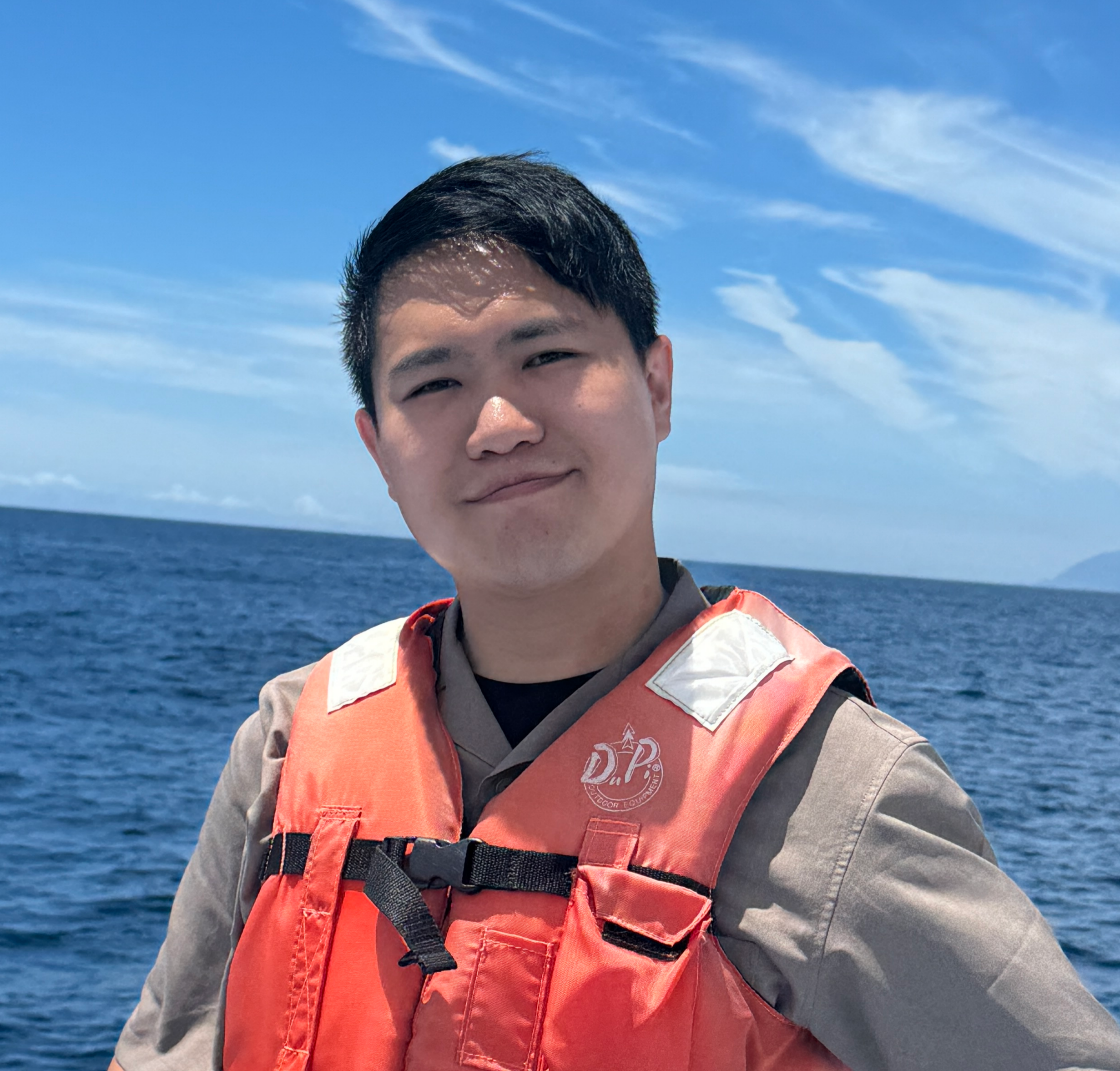
National Tsing Hua University, Taiwan
Topic: Vertical Bessel Lightsheet Microscopy Enables Intravital Whole-Brain High-Resolution Imaging in Adult Drosophila
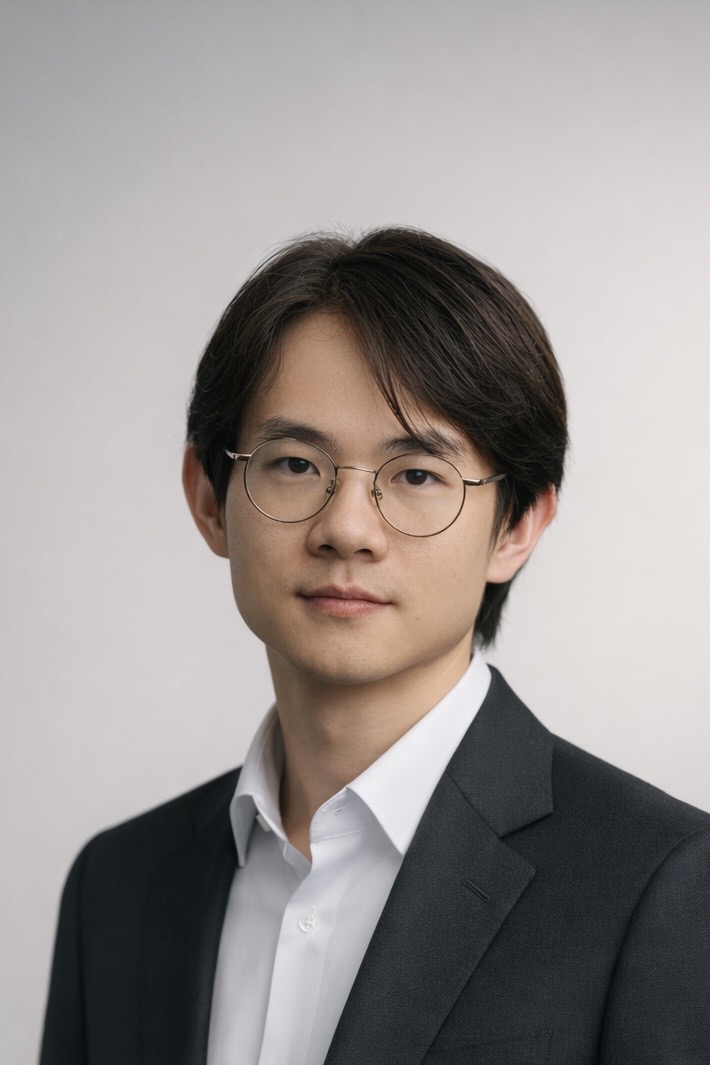
National University of Singapore, Singapore
Topic: Learning Representations of the Human Brain: Neuroimaging Foundation Model for Decoding Brain Disorders, Cognition, and Behavior
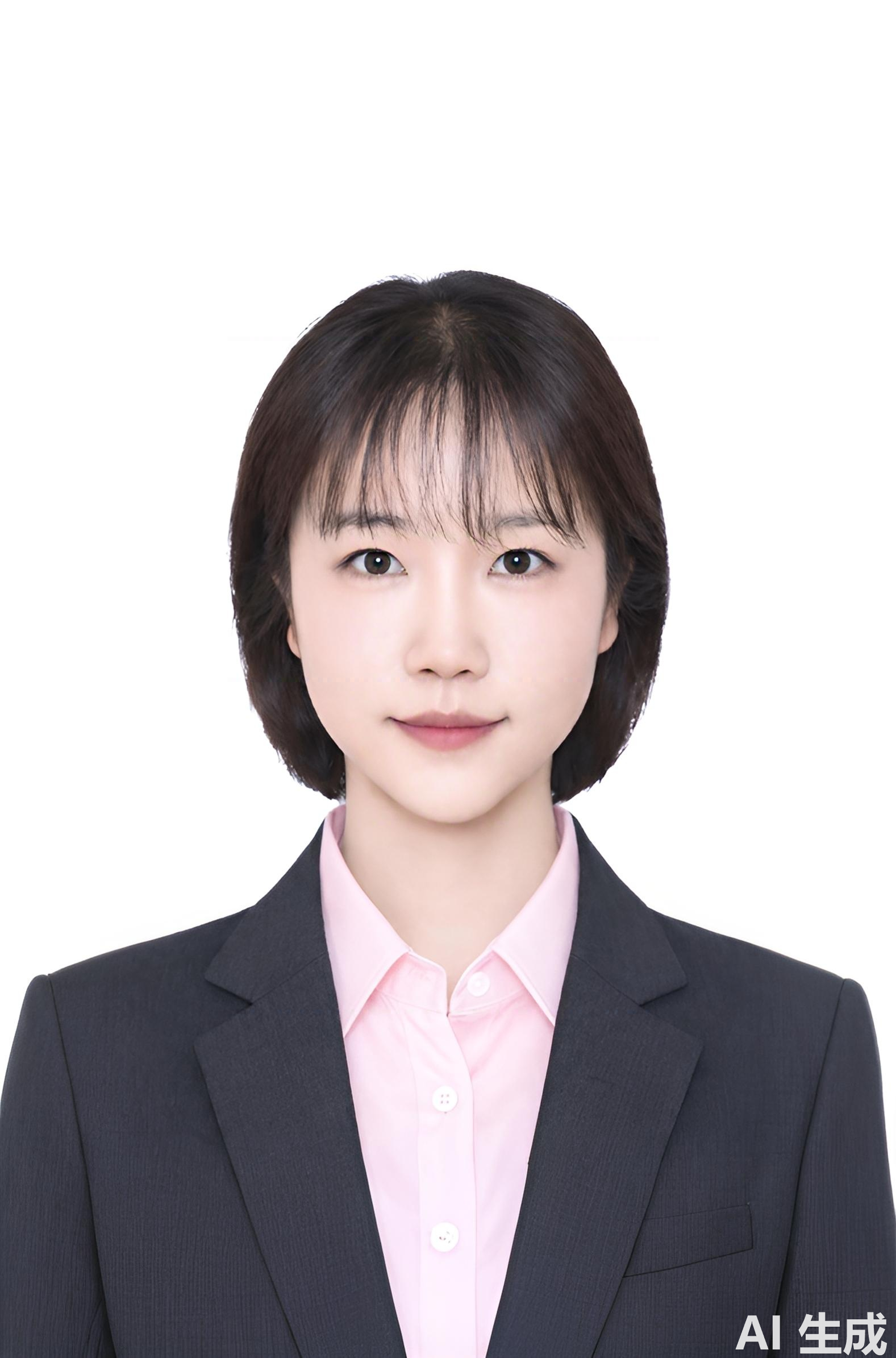
Korea Advanced Institute of Science and Technology, Korea
Topic: Whether and Whom: Dissociable Neural Systems for Valuation and Audience Selection in Social Disclosure
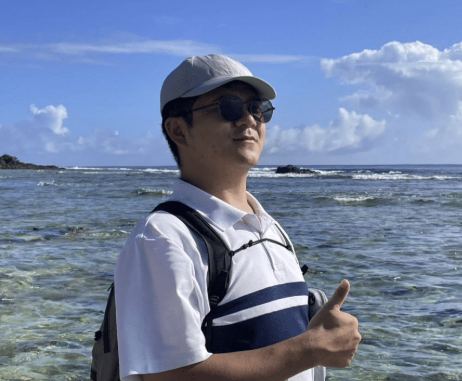
Institute of Molecular Biology, Academia Sinica, Taiwan
Topic: CASTLE: A behavioral microscope illuminated by foundation models enabling training-free behavioral discovery
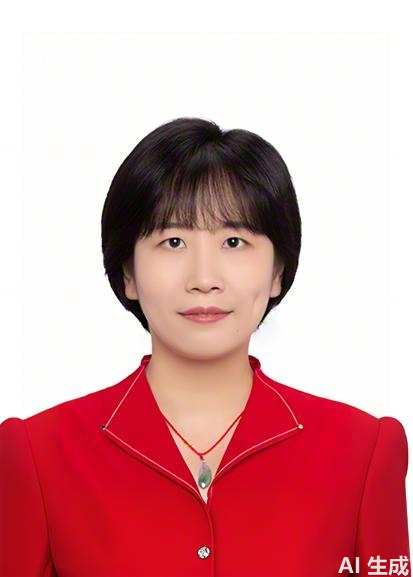
Tsinghua University, China
Topic: Neural Correlates of Serial Dependence: Synaptic Short-term Plasticity Orchestrates Repulsion and Attraction
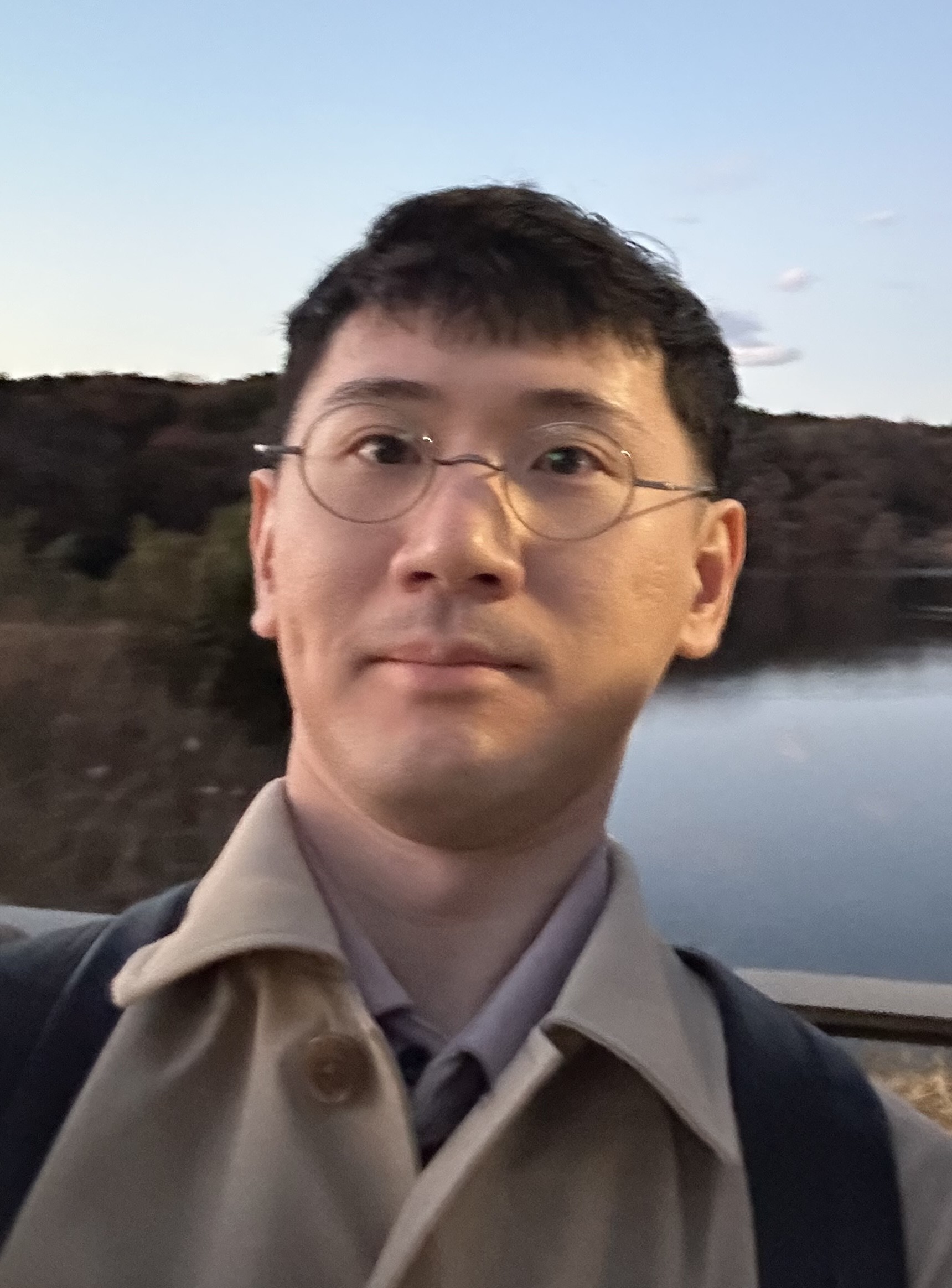
University of Tokyo, Japan
Topic: Oscillatory Mode Decomposition of Thermodynamic Dissipation and Its Application to Neural Dynamics
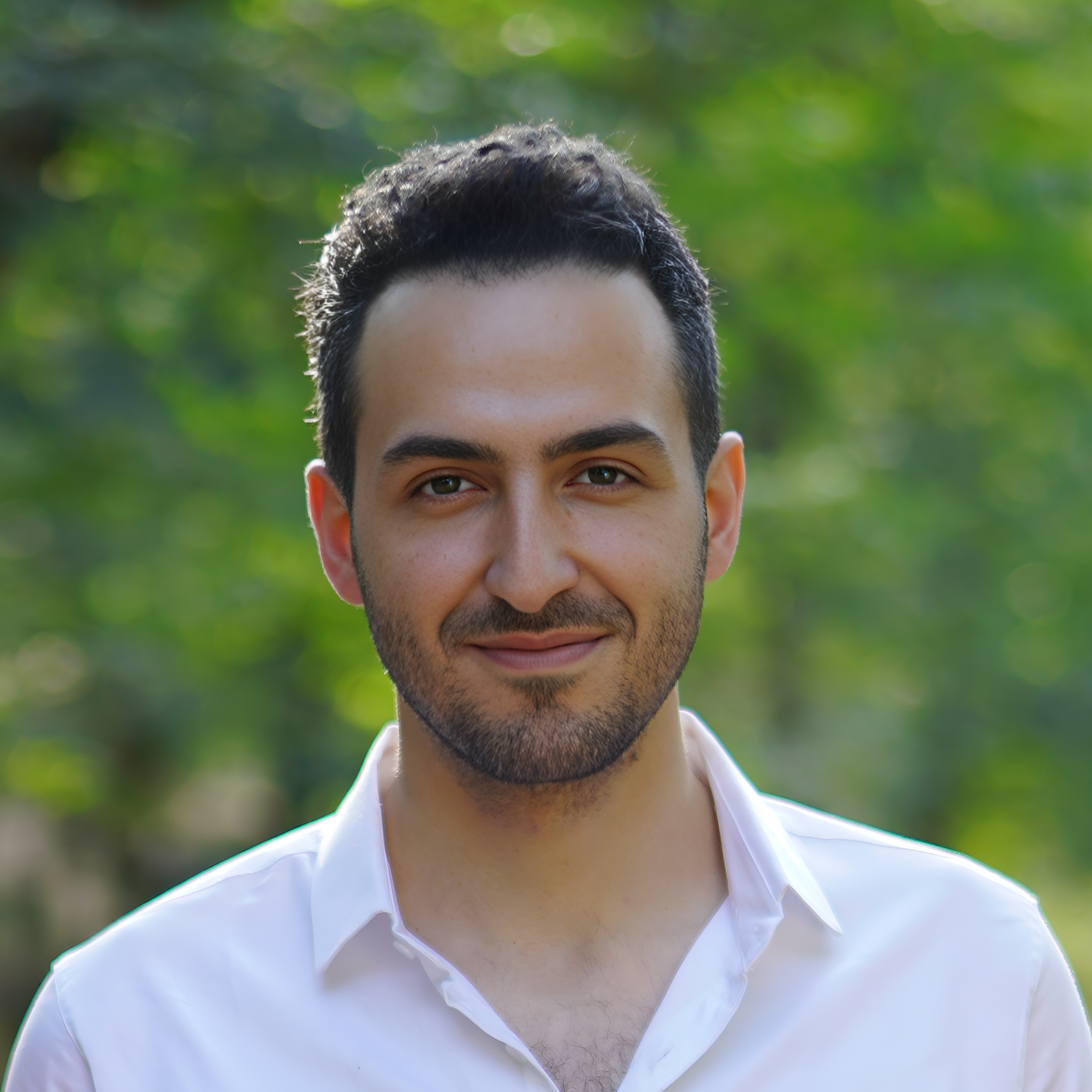
National University of Singapore, Singapore
Topic: From Graph Spectra to Brain Growth Charts: Multiscale Normative Mapping of the Human Cerebral Cortex
Nanyang Technological University, Singapore
Topic: Understanding Brain Dynamics in Language Learning and Production
The AP-CCN26 programme will take place over two days at MD6 LT35, with breaks and poster sessions at the MD6 Foyer.
| Time | Speaker / Event | Title | Venue |
|---|---|---|---|
| 0900 - 0910 | Welcome Remarks, A/Prof. Helen Zhou, Director of Centre for Translational MR Research (TMR), Yong Loo Lin School of Medicine, National University of Singapore (NUS) | — | MD6 LT35 |
| 0910 - 0920 | Opening Speech, Prof. Chong Yap Seng, Dean of NUS Yong Loo Lin School of Medicine | — | MD6 LT35 |
| Session 1 – Chair: A/Prof. Helen Zhou, Director of TMR, NUS Yong Loo Lin School of Medicine, Singapore | |||
| 0920 - 1005 | Keynote Speaker 1: Prof. Xiao-Jing Wang, New York University, USA | Functional Specialization and Distributed Cognition in the Neocortex | MD6 LT35 |
| 1005 - 1035 | Faculty Speaker: A/Prof. Tomoki Kurikawa, Future University Hakodate, Japan | Spontaneous Neural Activity: Its Functional Roles in Response and Learning | MD6 LT35 |
| 1035 - 1055 | Break | — | MD6 Foyer |
| Session 2 – Chair: Dr. Taro Toyoizumi, RIKEN Center for Brain Science, Japan | |||
| 1055 - 1125 | Faculty Speaker: Prof. Songting Li, Shanghai Jiao Tong University, China | From Biological Dendritic Computation to Artificial Neural Networks | MD6 LT35 |
| 1125 - 1155 | Young Speaker: Dr. Zijian Dong, National University of Singapore, Singapore | Learning Representations of the Human Brain: Neuroimaging Foundation Model for Decoding Brain Disorders, Cognition, and Behavior | MD6 LT35 |
| 1155 - 1225 | Young Speaker: Dr. Heng Chang, National Tsing Hua University, Taiwan | Vertical Bessel Lightsheet Microscopy Enables Intravital Whole Brain High-Resolution Imaging in Adult Drosophila | MD6 LT35 |
| 1225 - 1400 | Lunch Buffet / Poster Presentation Session A | Poster presentation starts at 1315 | MD6 Foyer |
| Session 3 – Chair: A/Prof. Thomas Yeo, Deputy Director of TMR, NUS Yong Loo Lin School of Medicine, Singapore | |||
| 1400 - 1445 | Keynote Speaker 2: Prof. Baoliang Lu, Shanghai Jiao Tong University, China | Affective Brain-Computer Interfaces: Characteristics, Algorithms and Application | MD6 LT35 |
| 1445 - 1515 | Faculty Speaker: Dr. Jin Hoon Kim, Korea Advanced Institute of Science & Technology, Korea | Biological Neural Network-Inspired Memristive Nanomaterial Networks for Neuromorphic Edge Computation | MD6 LT35 |
| 1515 - 1535 | Break | — | MD6 Foyer |
| Session 4 – Chair: Prof. Chung-Chuan Lo, National Tsing Hua University, Taiwan | |||
| 1535 - 1605 | Faculty Speaker: A/Prof. Camilo Libedinsky, National University of Singapore, Singapore | Inferring Latent Behavioral Strategies and Neural Connectivity with RNN Models | MD6 LT35 |
| 1605 - 1635 | Young Speaker: Dr. Pinglei Bao, Peking University, China | Triple-N Dataset: Large-Scale Recording of Non-Human Primate Neural Responses to Natural Scenes | MD6 LT35 |
| 1635 - 1705 | Young Speaker: Dr. Sina Mansour Lakouraj, National University of Singapore, Singapore | Spectral Normative Modeling of Brain Structure: From Growth Gradients to Individualized Markers of Neurodegeneration | MD6 LT35 |
| Time | Speaker / Event | Title | Venue |
|---|---|---|---|
| 0900 - 0910 | Welcome Remarks, Prof. Rickie Patani, Programme Chair of Neuroscience Translational Research Programme (TRP) & Director of Neurobiology Research Programme, Life Sciences Institute (LSI), Yong Loo Lin School of Medicine, NUS | — | MD6 LT35 |
| Session 1 – Chair: Prof. Rickie Patani, TRP & LSI, NUS Yong Loo Lin School of Medicine, Singapore | |||
| 0910 - 0955 | Keynote Speaker 3: Prof. Benjamin Becker, The University of Hong Kong, Hong Kong | Innovative Strategies to Decode and Regulate Affective Experiences in Humans | MD6 LT35 |
| 0955 - 1025 | Faculty Speaker: Dr. Jiahou Poh, National University of Singapore, Singapore | Neuromodulatory Regulation of Neural Context for Motivated Learning and Adaptive Memory | MD6 LT35 |
| 1025 - 1040 | Break | — | MD6 Foyer |
| Session 2 – Chair: Prof. Jaesung Jeong, Korea Advanced Institute of Science & Technology, Korea | |||
| 1040 - 1110 | Faculty Speaker: Dr. Chun-Shu Wei, National Yang Ming Chiao Tung University, Taiwan | Explainable AI for EEG-Based Brain Disorder Detection and Monitoring | MD6 LT35 |
| 1110 - 1140 | Young Speaker: Dr. Wei Zhang, Nanyang Technological University, Singapore | Understanding Brain Dynamics in Language Learning and Production | MD6 LT35 |
| 1140 - 1210 | Young Speaker: Dr. Jeungmin Lee, Korea Advanced Institute of Science & Technology, Korea | Whether and Whom: Dissociable Neural Systems for Valuation and Audience Selection in Social Disclosure | MD6 LT35 |
| 1210 - 1345 | Lunch Buffet / Poster Presentation Session B / AP-CCN Committee Meeting | Poster presentation starts at 1300; committee meeting at MD6-02-02A by invite only | MD6 Foyer / MD6-02-02A |
| Session 3 – Chair: A/Prof. Xinyi Su, Executive Director of the Institute of Molecular and Cell Biology (IMCB), Agency for Science, Technology and Research (A*STAR) | |||
| 1345 - 1430 | Keynote Speaker 4: Dr. Yu Fu, A*STAR, Singapore | The Role of Gut-Brain Communication in Feeding Regulation | MD6 LT35 |
| 1430 - 1500 | Faculty Speaker: Dr. Tatsuya Haga, National Institute of Information and Communications Technology, Japan | Modeling Spatial and Conceptual Representation Learning in Hippocampus | MD6 LT35 |
| 1500 - 1515 | Break | — | MD6 Foyer |
| Session 4 – Chair: Prof. Songting Li, Shanghai Jiao Tong University, China | |||
| 1515 - 1545 | Faculty Speaker: Dr. Aditya Nair, Nanyang Technological University, Singapore | Discovering Neural Manifolds of Emotion & Social Intelligence Using AI | MD6 LT35 |
| 1545 - 1615 | Young Speaker: Dr. Yuanyuan Mi, Tsinghua University, China | Neural Correlates of Serial Dependence: Synaptic Short-term Plasticity Orchestrates Repulsion and Attraction | MD6 LT35 |
| 1615 - 1645 | Young Speaker: Dr. Daiki Sekizawa, University of Tokyo, Japan | Oscillatory Mode Decomposition of Thermodynamic Dissipation and Its Application to Neural Dynamics | MD6 LT35 |
| 1645 - 1715 | Young Speaker: Dr. Yushun Liu, Institute of Molecular Biology, Academia Sinica, Taiwan | CASTLE: A Behavioral Microscope Illuminated by Foundation Models for Training-Free Behavioral Discovery | MD6 LT35 |
| 1715 - 1725 | Closing Speech, Prof. Barry Halliwell, Senior Advisor (Academic Appointments and Research Excellence), Office of the Provost, NUS. Chair of the Biomedical Advisory Council, A*STAR. Distinguished Professor, Department of Biochemistry, NUS Yong Loo Lin School of Medicine | — | MD6 LT35 |
| 1725 - 1730 | Poster Award / Group Photo | — | MD6 LT35 |
Highlights from AP-CCN 2026, bringing together researchers and emerging scholars in computational and cognitive neuroscience.
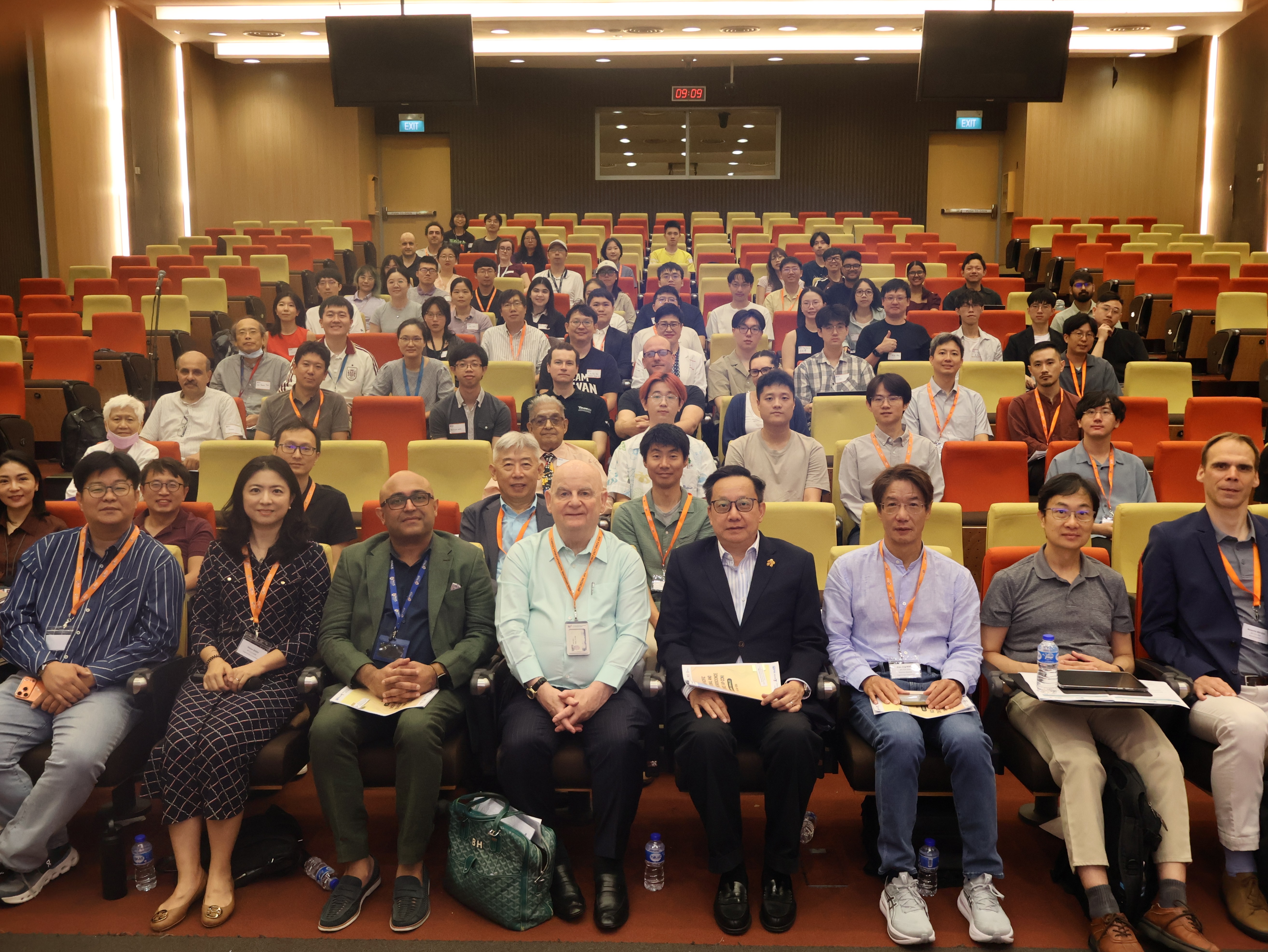
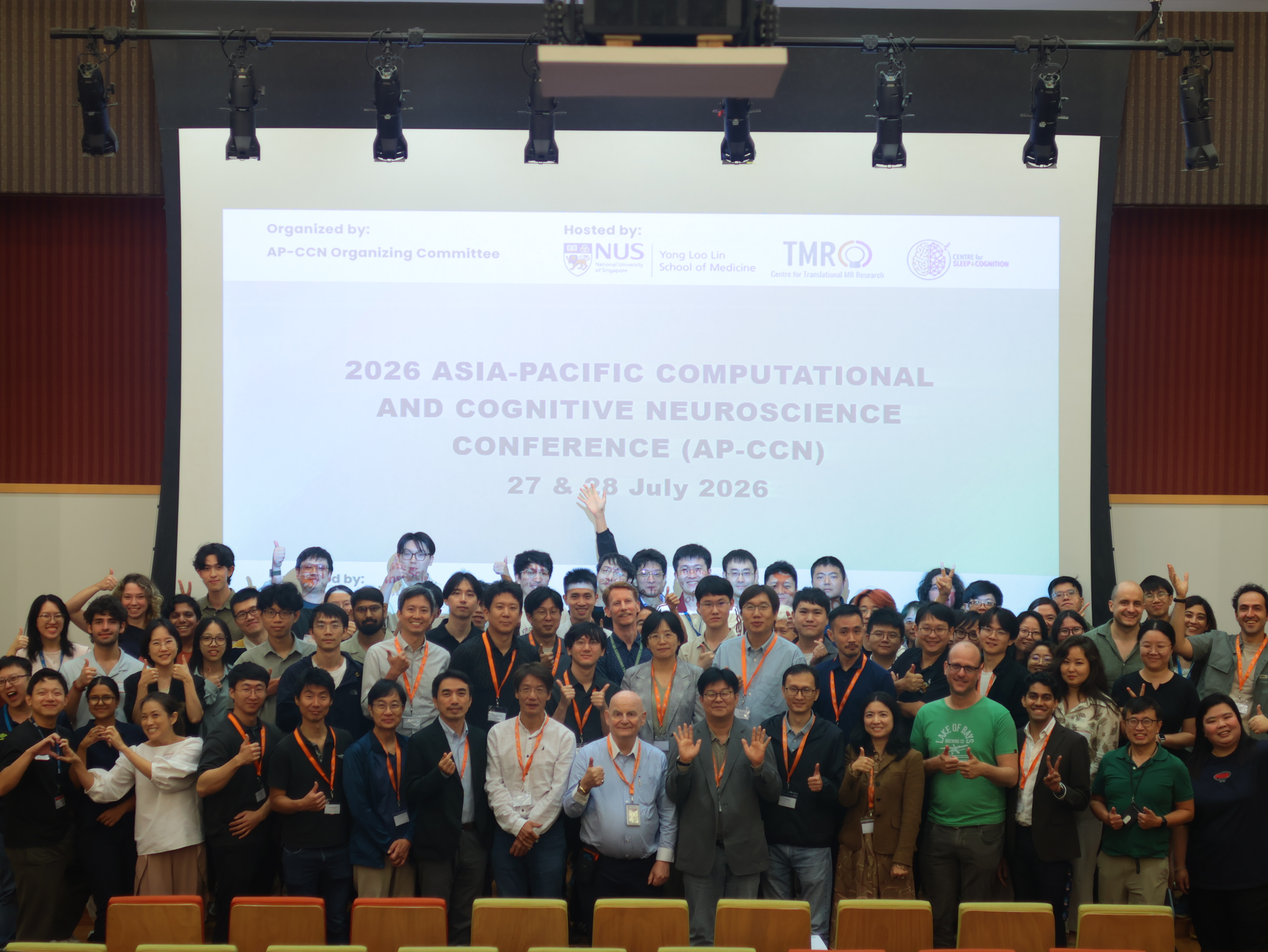
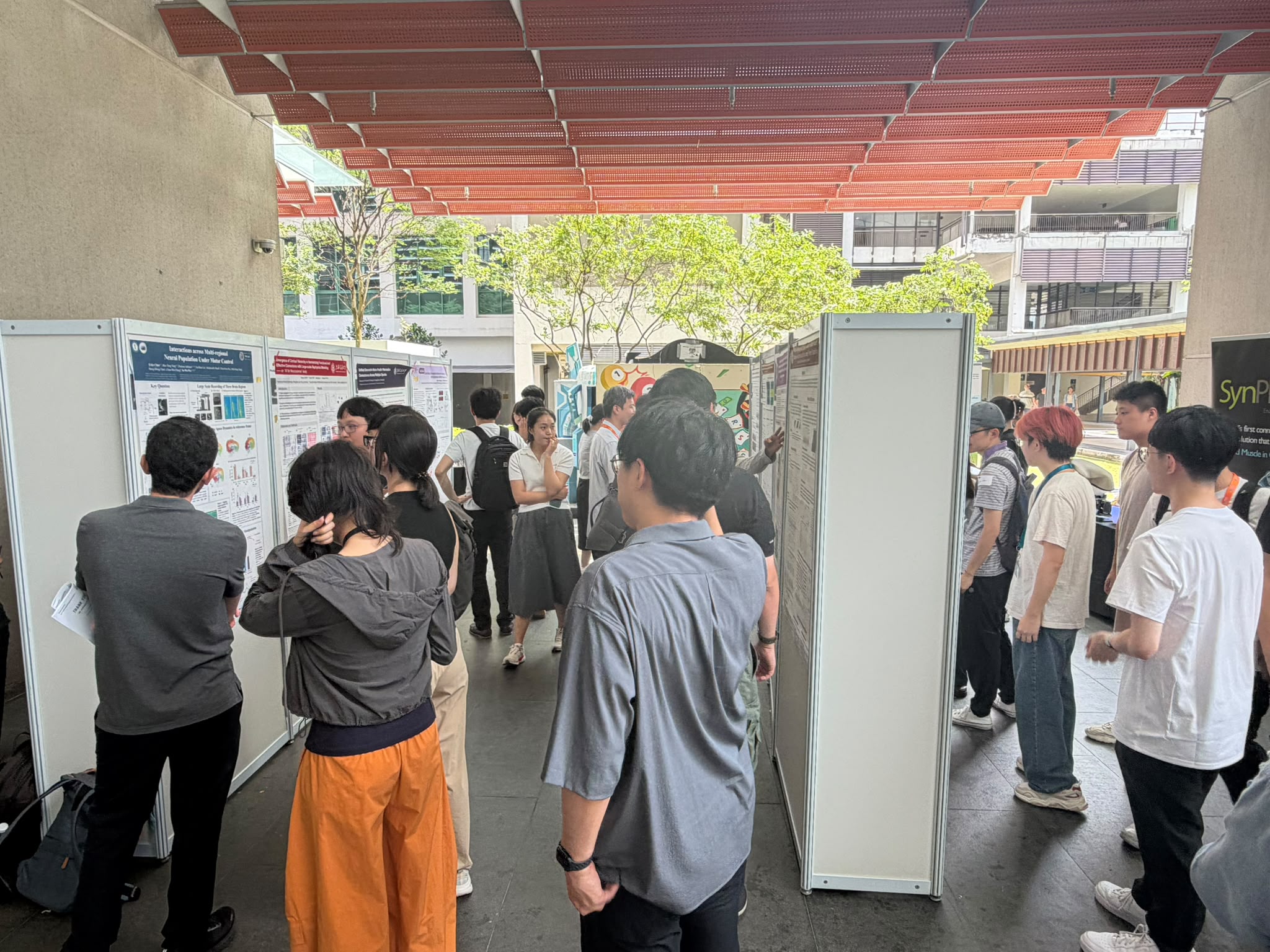
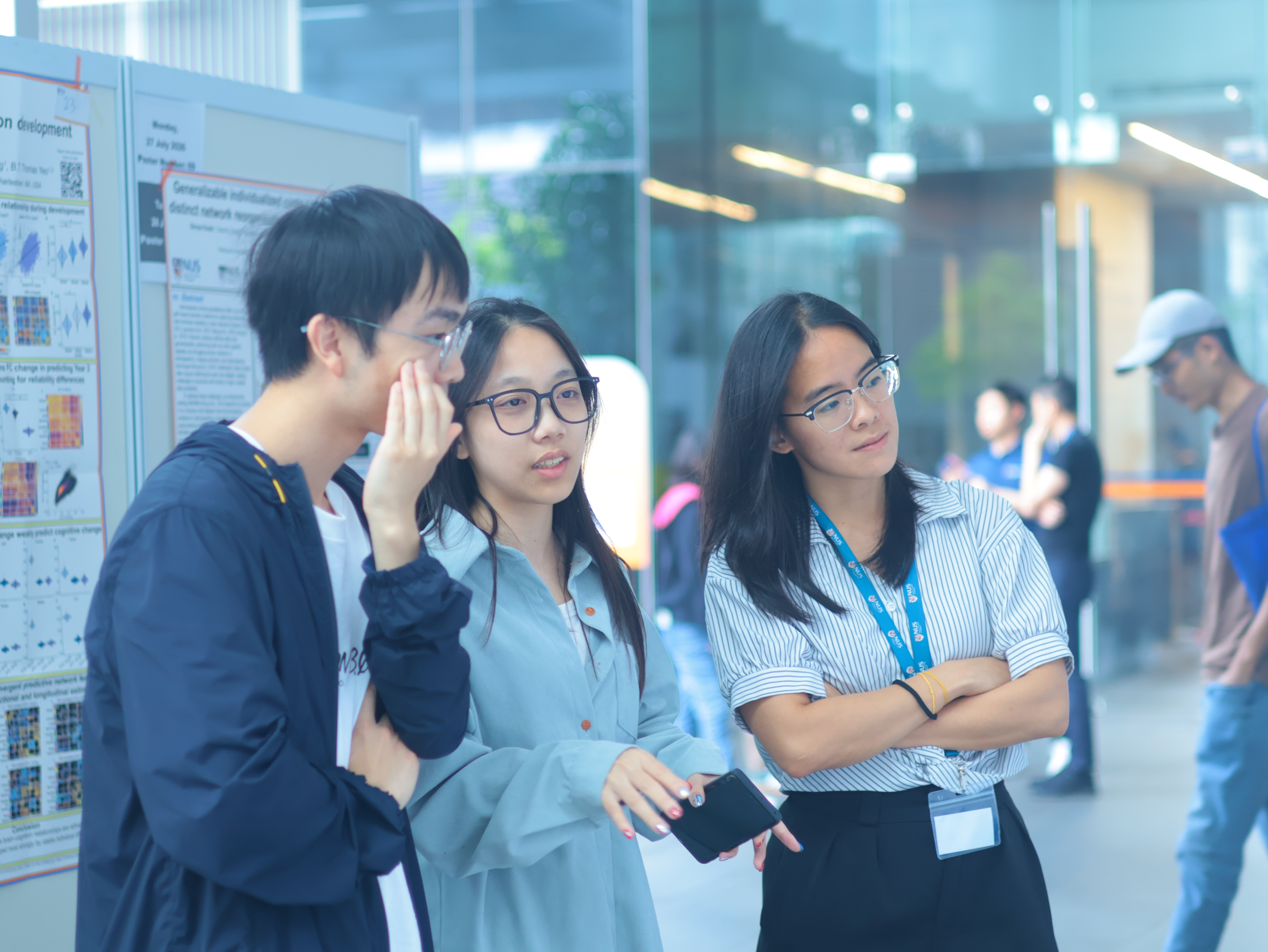
Congratulations to the AP-CCN 2026 poster awardees.
The University of Tokyo
Poster TitleTheory of Dataset Distillation for Two-Layer Neural Networks
National University of Singapore
Poster TitleTAO-TMS: Personalized Connectivity-Guided TMS Targeting in Treatment-Resistant Depression
Beijing Normal University
Poster TitleSystem-Level Map of Peripheral Organ Aging → Brain Health (UK Biobank)
National University of Singapore
Poster TitleBeyond Group Averages: Distinct Infant Frontal Alpha Asymmetry Profiles During the Still-Face Paradigm
National Tsing Hua University
Poster TitleDifferential Effects of Excitatory and Inhibitory Visual Inputs on Head Direction Coding in Drosophila
National University of Singapore
Poster TitleBrainFIBRE: A Foundation Model via Information Decomposition for Brain Microstructure
Kindly register below for your attendance.
Registration is open to all attendees. Abstract submission is optional.
You will be redirected to a Microsoft Registration Form.
In alphabetical order of the last names
 NUS Yong Loo Lin School of Medicine
 TMR
TMR
 CSC
CSC




There are two accommodation options near NUS that we would recommend for your consideration: